
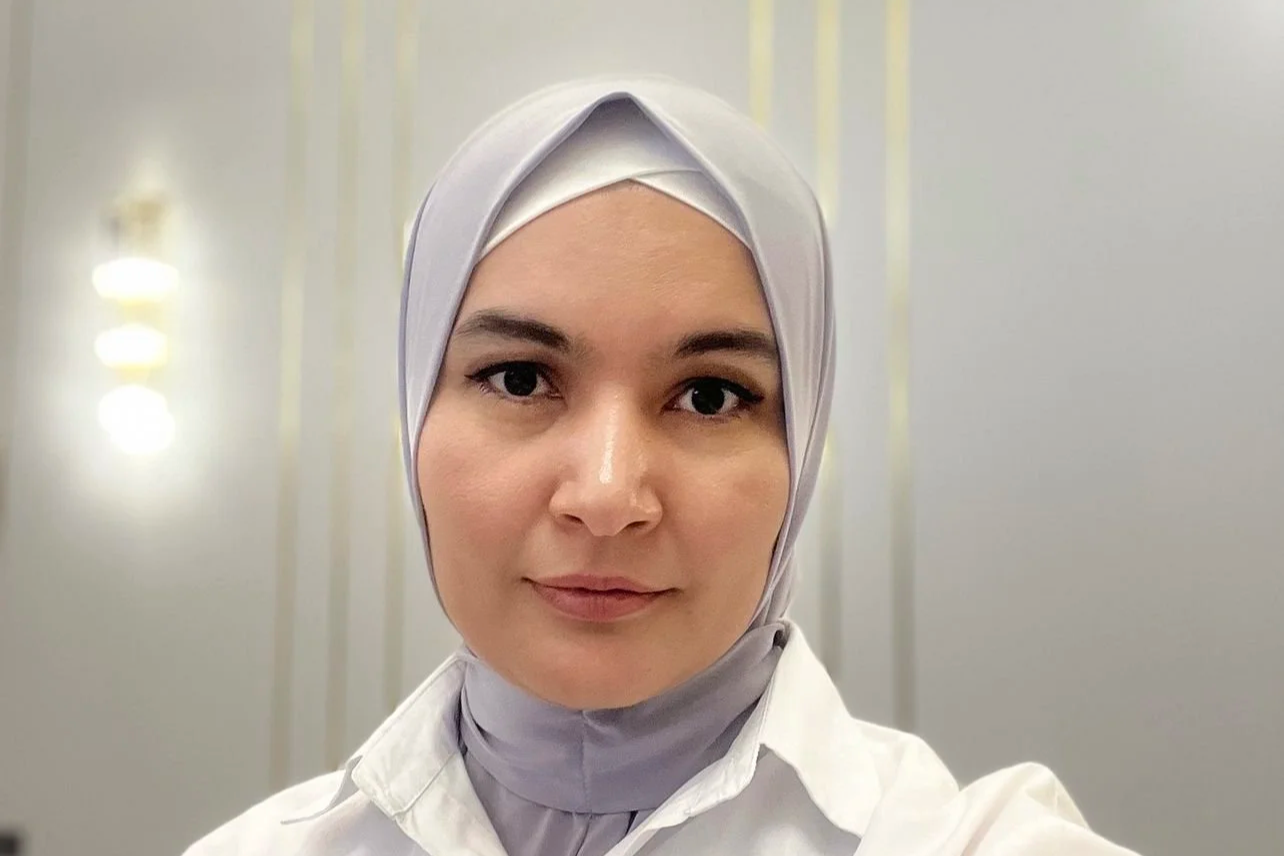
For many years, Gulmira Inogamova observed that many adults, professionals, entrepreneurs, and foreigners struggled to find practical and flexible language learning opportunities focused on real communication skills. Since gathering native-speaking tutors in one physical location was difficult, she decided to create Tutor ON – an online platform designed to help people learn languages through direct interaction with native speakers from different parts of the world.
“I wanted to create a platform where people could learn languages for real-life communication and everyday use, not only for exams,” Gulmira says.
Initially launched as an online tutoring platform for adults, Tutor ON focused primarily on conversational Uzbek, English, and Russian language learning. Over time, the platform also introduced an additional section for school students who needed support with school subjects, but the project’s main direction remained practical language learning for adults rather than exam preparation services such as IELTS.
However, after six years of managing and developing the project, the company eventually reached what Gulmira describes as an “invisible ceiling,” where defining the next strategic priorities and growth direction became increasingly difficult.
“We had ideas and ambitions, but we needed an outside perspective to understand which questions and priorities should come first”
While searching for opportunities to strengthen the business, Gulmira learned about Micromentor – the world’s largest free online business mentoring platform, introduced in Central Asia by the EBRD. Interested in receiving more practical and personalized guidance, she registered on the platform, created a profile describing Tutor ON and its key challenges, and soon connected with mentor Bakhodir Rakhimov.
According to Gulmira, the connection process was simple and accessible. After reviewing her profile and business goals, the mentor quickly responded and scheduled several online mentorship sessions focused specifically on Tutor ON’s operational and strategic development challenges.
“After the mentorship sessions, we finally had a clearer understanding of where we should focus our energy and resources first,” Gulmira notes. As a result of the mentorship process, several practical improvements were introduced:
· Developed a clear 3–6 month growth plan
· Improved internal workflow and task delegation
· Defined key growth priorities and target student segments
· Introduced regular planning and progress tracking
· Refined the scaling strategy for future expansion
Following the implementation of several recommendations, Tutor ON began improving internal coordination and operational efficiency. The company also reported positive early improvements in areas such as student engagement and organizational planning.
Tutor ON now plans to implement the roadmap developed during the mentorship sessions, improve its online learning services, and expand its reach to more students. “Mentorship gave us not only practical recommendations, but also confidence that we are moving in the right direction,” Gulmira says. She also plans to continue working with mentors and experts to support the project’s long-term growth.
